Capsules
Encapsulated research formats.
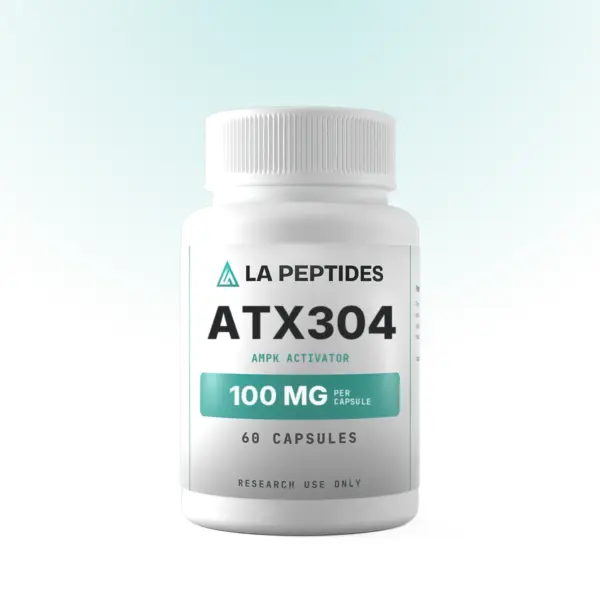
COA 99.03%
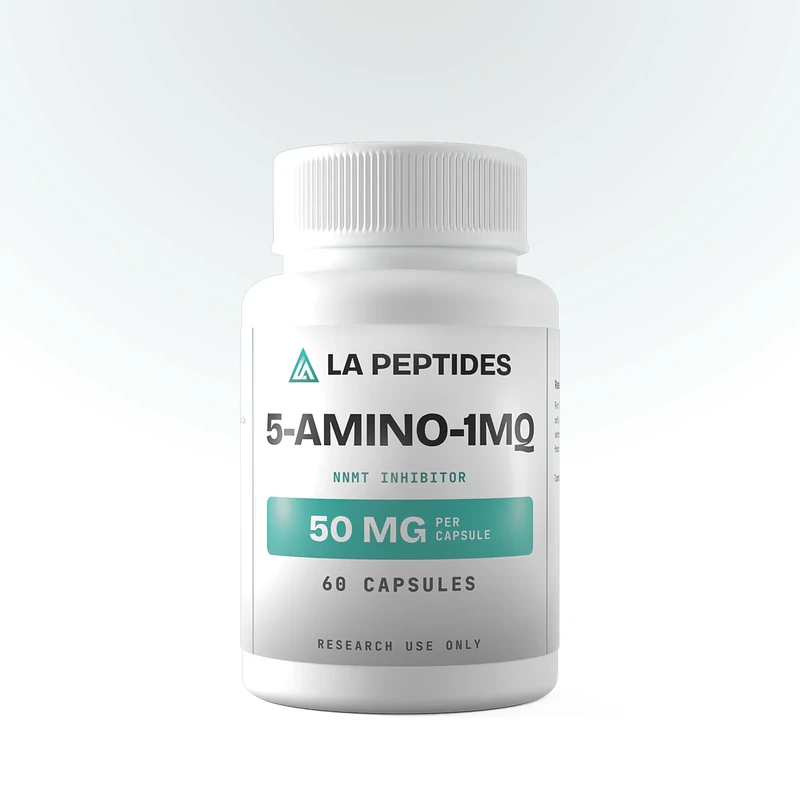
COA 98.2%
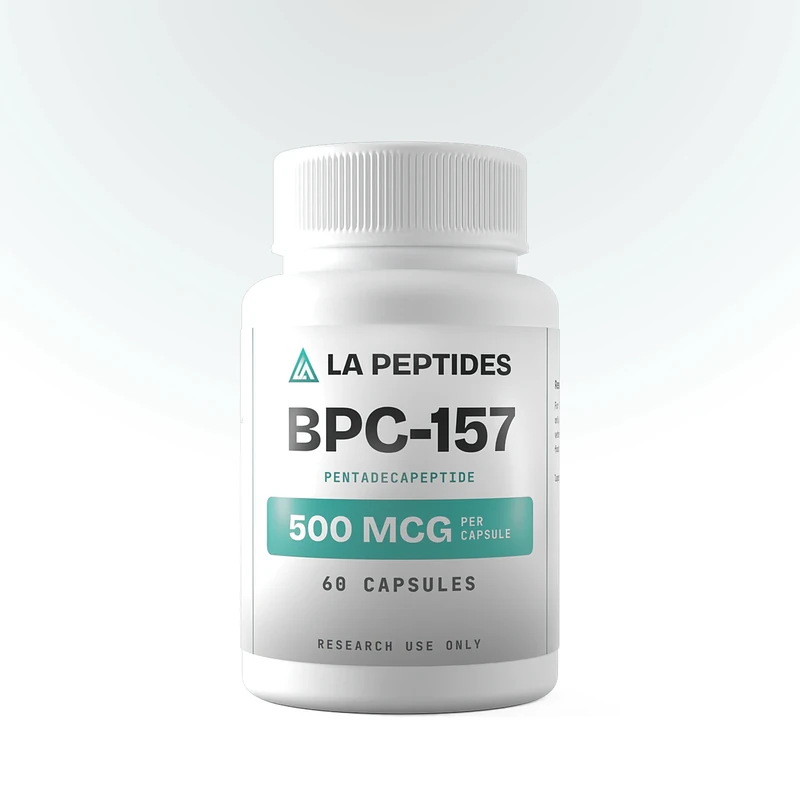
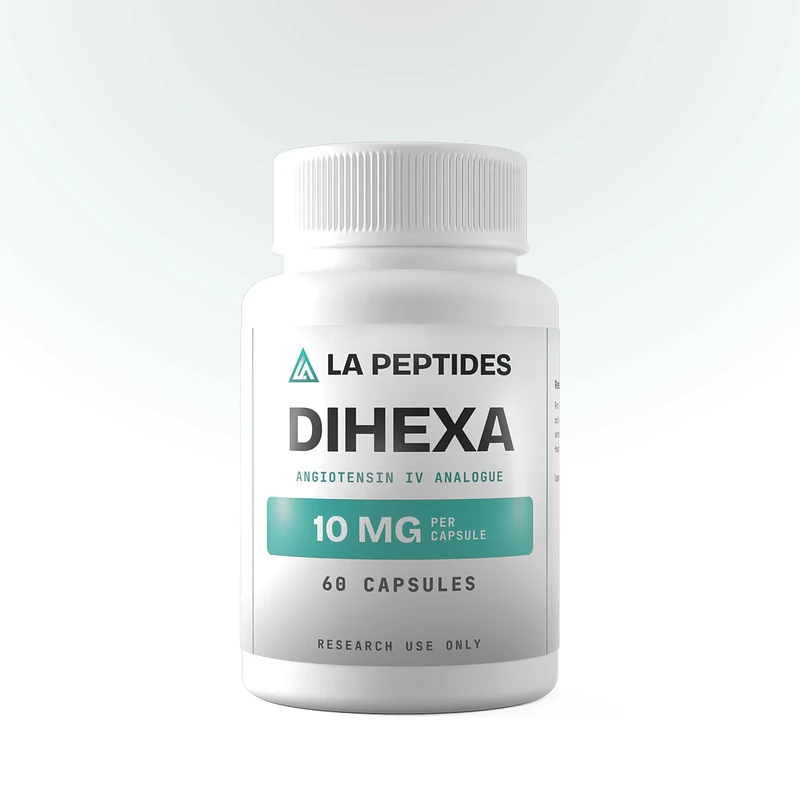
COA 99.97%
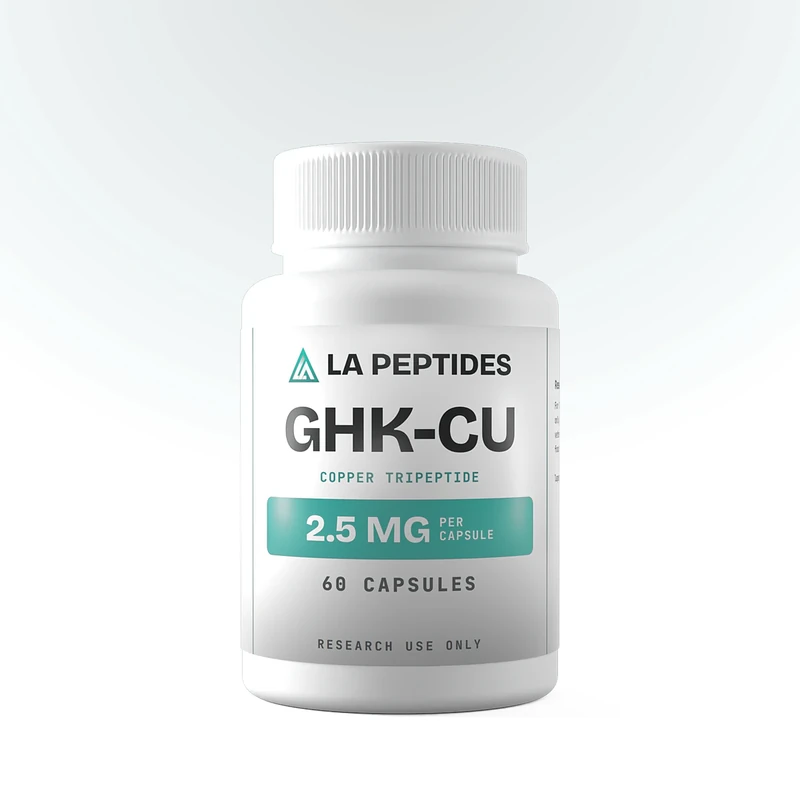
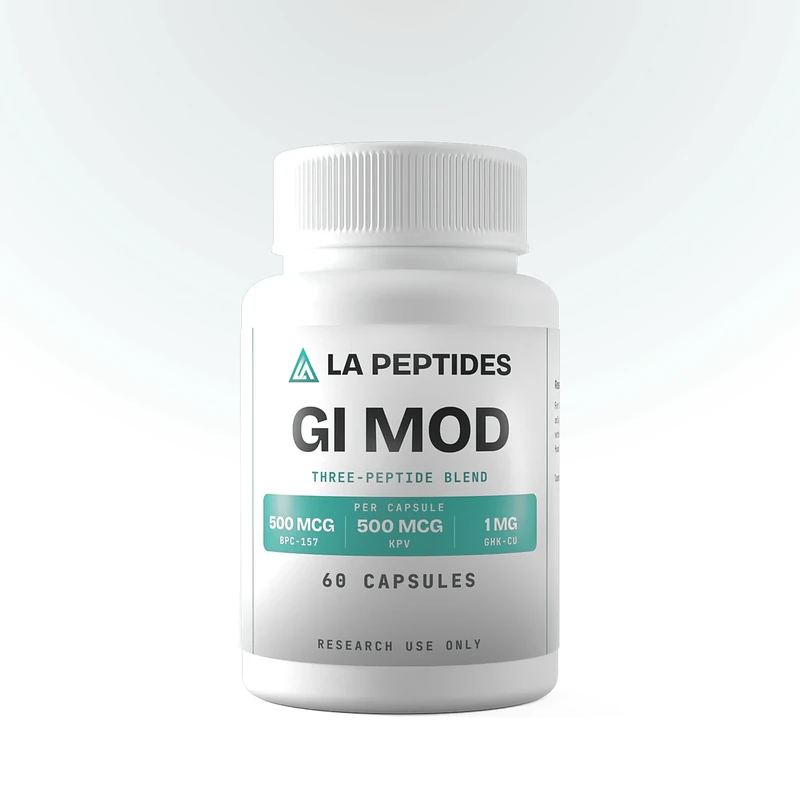
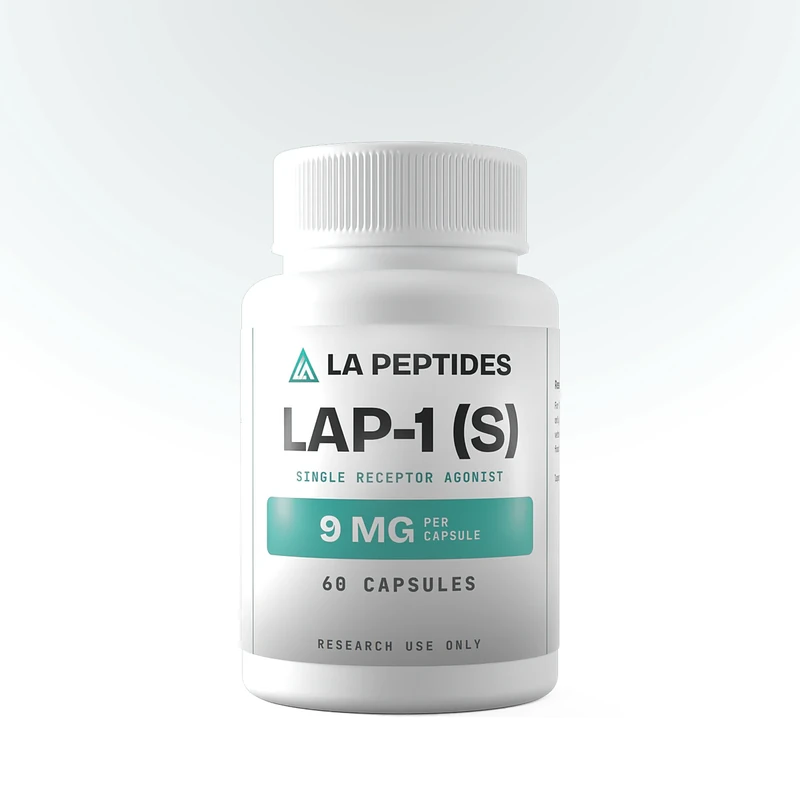
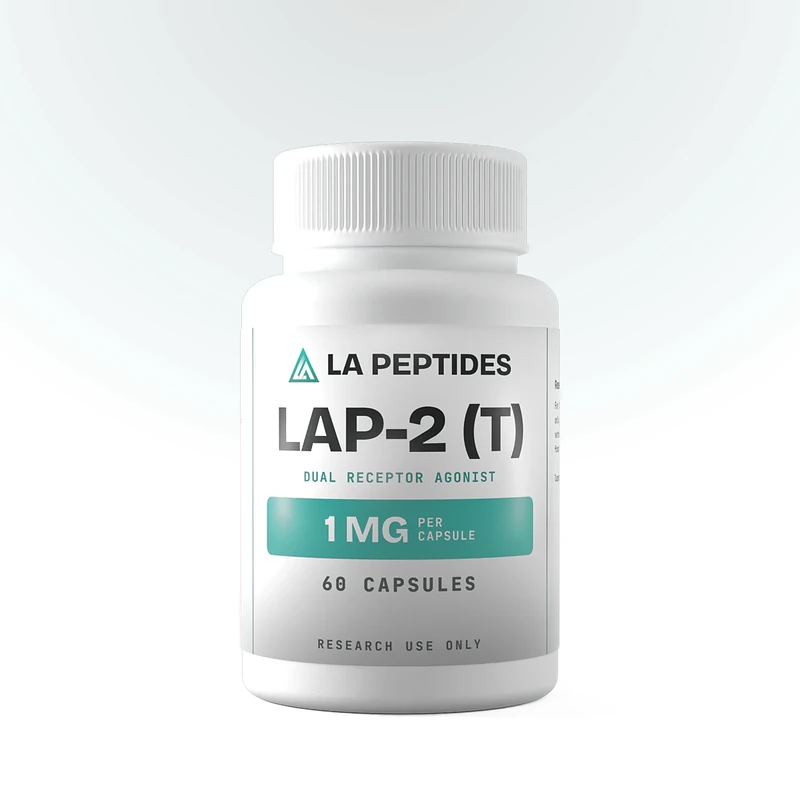
COA 99.96%
COA 99.28%
No products match that filter. Shop the catalog
Laboratory guides
Research compounds supplied in capsule format
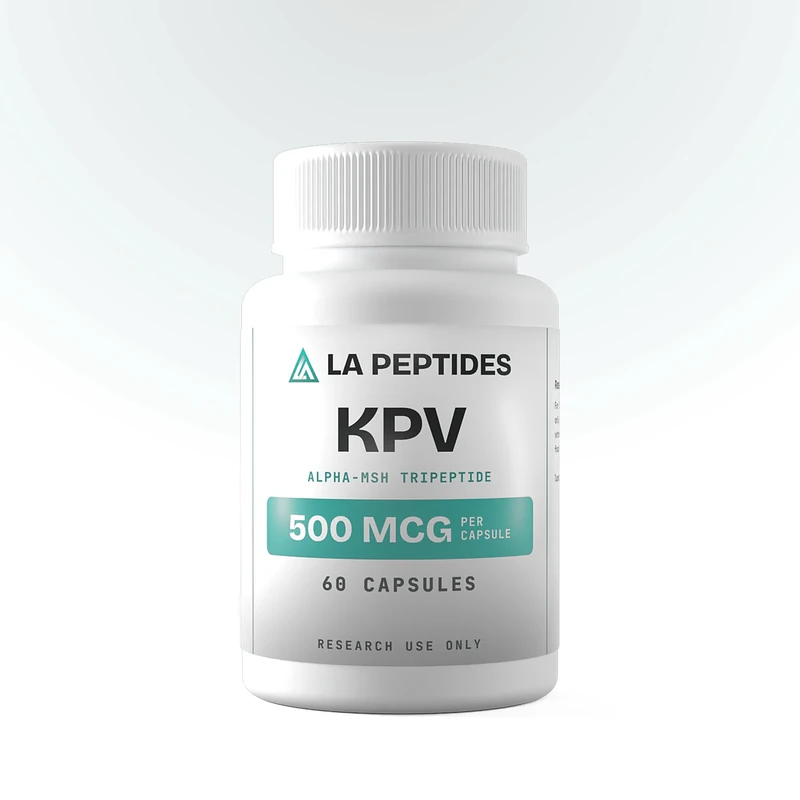
Products in this category are research compounds supplied in capsule format, with a stated quantity of compound per capsule, packed in a sealed container. The capsule is a packaging format for laboratory handling and measured portioning; it does not change the compound itself. Each product page lists the compound, its structure or sequence where applicable, molecular weight, the amount per capsule and the number of capsules per container.
As with every product in the catalog, each lot is tested before release. The certificate of analysis for the batch, linked from the QR code on the label, reports identity by mass spectrometry and purity by HPLC. Keep containers tightly closed, dry and away from heat and light, and record the lot number with your experimental notes so results can always be traced back to the report for the material used.
Read the guideHow to match your vial to a published COARead the guideHPLC purity: what the percentage on a COA meansRead the guideHow to choose a research compound supplier: 7 points
For laboratory research use only. Not for human or veterinary use. Not intended to diagnose, treat, cure or prevent any disease. Literature references are provided for scientific context and do not describe this product's suitability for any use.
BPC-157 vs TB-500: two research peptides compared · Reading a mass spectrum on a peptide COA: m/z, charge states and adducts · GHK-Cu blends explained: GLOW and KLOW compositions · CJC-1295 with and without DAC: what the names mean · Short peptide bioregulators: an overview for researchers · Why a peptide's molecular weight can differ: salts, caps and oxidation · Thymosin alpha-1: structure, history and research · Epitalon (AEDG): what the research covers · KPV: the α-MSH tripeptide explained · MOTS-c: the mitochondrial-derived peptide explained · Adamax and Semax: what is known about this analog · Selank: the tuftsin-derived heptapeptide explained · SNAP-8 vs Argireline: two SNAP-25 mimic peptides compared · AHK-Cu vs GHK-Cu: comparing two copper tripeptides · GHK-Cu: structure, history and published research · HPLC purity: what the percentage on a COA means · Mass spectrometry: how a peptide's identity is confirmed · How to match your vial to a published COA · Lyophilized peptides: what they are and how labs store them · How to choose a research compound supplier: 7 points