How to match your vial to a published COA
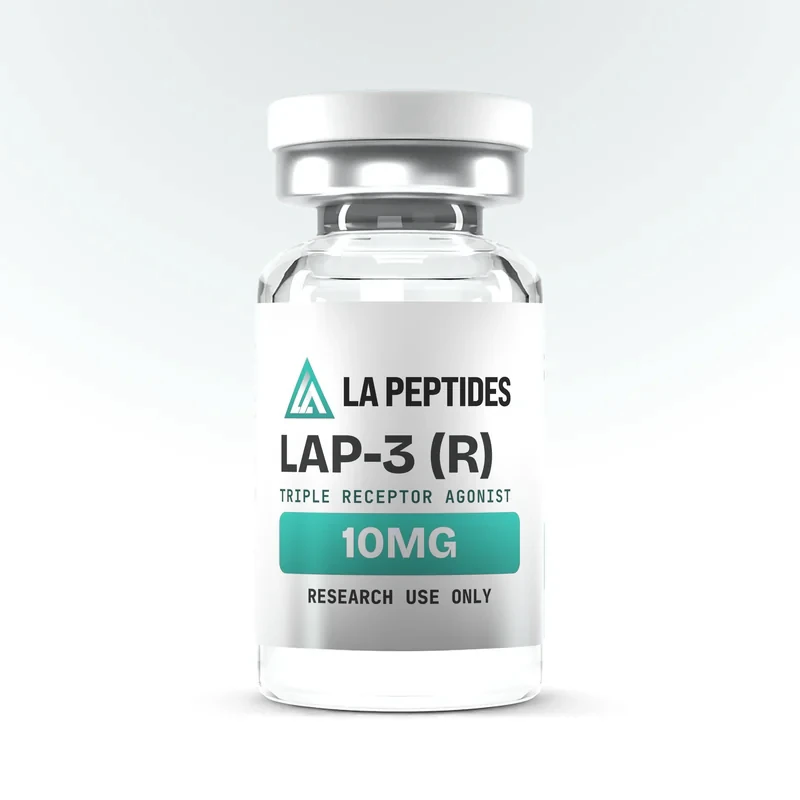
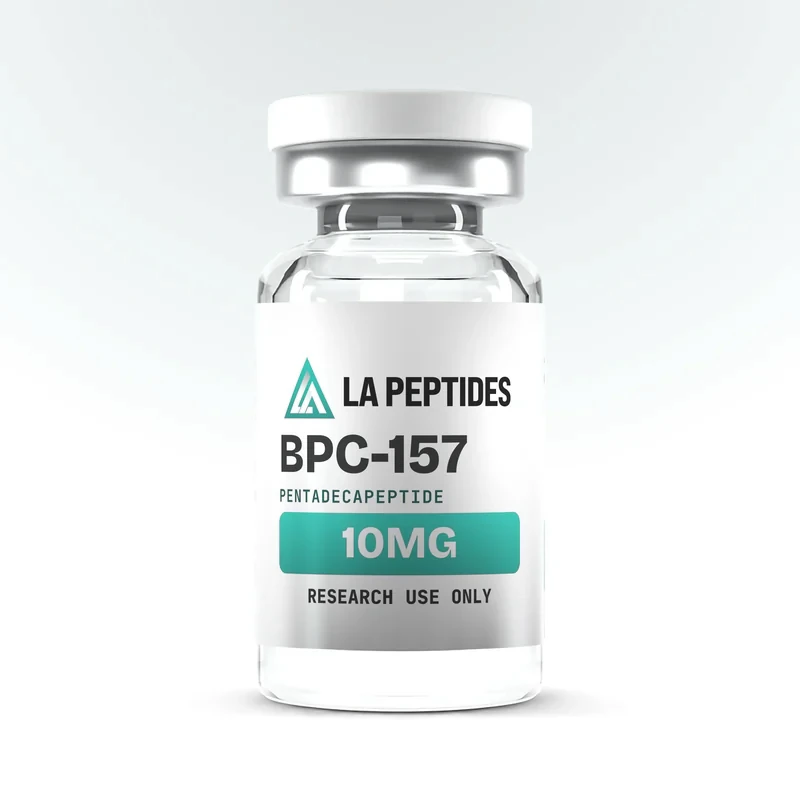
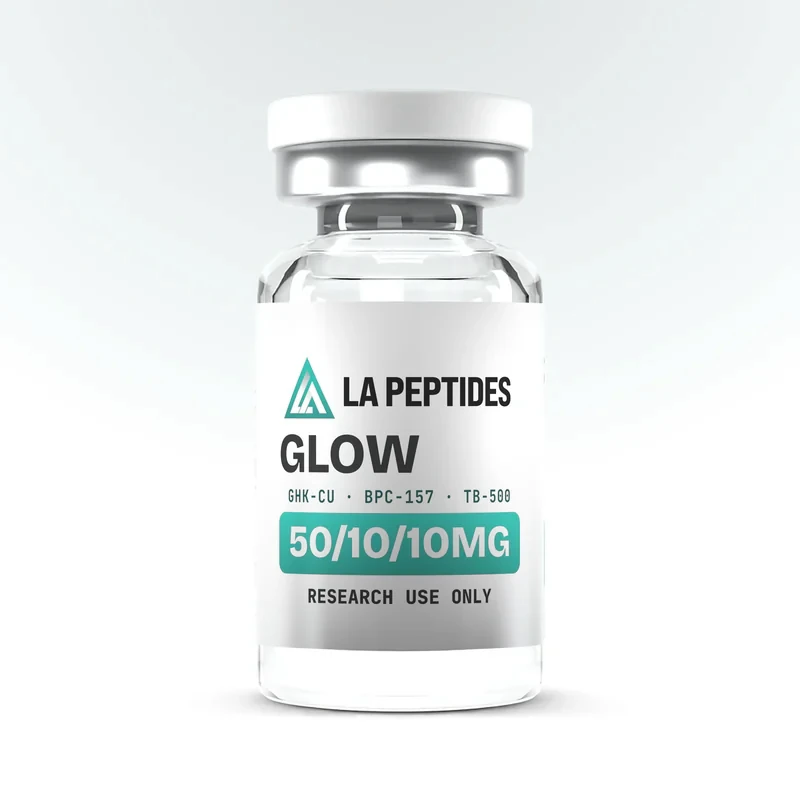
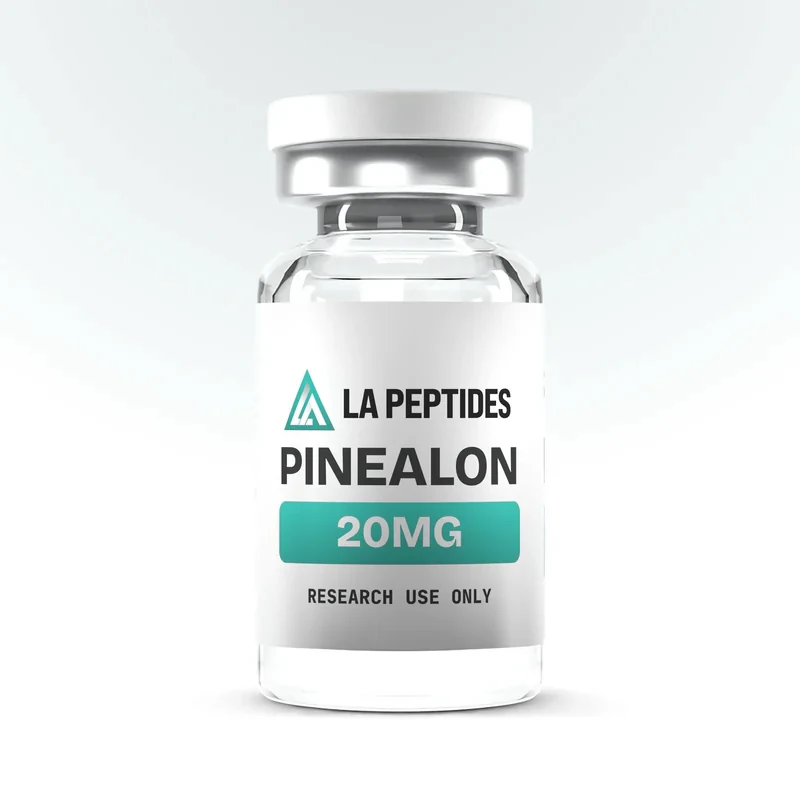
Every LA Peptides vial has a QR code on the label. On tested compounds, scanning it opens the COA Portal at the latest certificate of analysis (COA) published for that compound. These steps show how to check a report against the vial in front of you.
1. Scan the code
Open your phone camera and point it at the QR code on the label. Tap the link that appears. The LA Peptides COA Portal opens at the latest report for that compound, where one is published.
2. Compare the lot number
The vial label shows a lot number, and each COA shows its own in the header. The report describes your vial only when the two match. If they differ, search your lot number in the COA Portal to find the report for your lot, where one is published.
3. Check the compound and the size
Confirm that the compound name and the amount per vial on the report match your label.
4. Read the results
- Purity. The percentage measured by HPLC.
- Identity. The mass confirmed by mass spectrometry.
- Content. The amount measured in the vial.
5. Check who ran the analysis
The report should name the lab that ran the tests and the date. A COA with no lab and no date cannot be checked.
If the code does not open
Go to the COA Portal from the site menu and search for the product by name. The available reports are listed there by lot. If yours is not there, contact support with the lot number from the label.
Why it matters
A generic certificate describes a product. A batch certificate describes the material that was tested. Matching the lot number on your label to a published report takes less than a minute.
More guides
- BPC-157 vs TB-500: two research peptides compared
- Reading a mass spectrum on a peptide COA: m/z, charge states and adducts
- GHK-Cu blends explained: GLOW and KLOW compositions
- CJC-1295 with and without DAC: what the names mean
- Short peptide bioregulators: an overview for researchers
- Why a peptide's molecular weight can differ: salts, caps and oxidation
- Thymosin alpha-1: structure, history and research
- Epitalon (AEDG): what the research covers
- KPV: the α-MSH tripeptide explained
- MOTS-c: the mitochondrial-derived peptide explained
- Adamax and Semax: what is known about this analog
- Selank: the tuftsin-derived heptapeptide explained
- SNAP-8 vs Argireline: two SNAP-25 mimic peptides compared
- AHK-Cu vs GHK-Cu: comparing two copper tripeptides
- GHK-Cu: structure, history and published research
- HPLC purity: what the percentage on a COA means
- Mass spectrometry: how a peptide's identity is confirmed
- Lyophilized peptides: what they are and how labs store them
- How to choose a research compound supplier: 7 points
- How to read a certificate of analysis (COA)
Open the COA Portal · Browse the catalog
All LA Peptides products are sold for laboratory research only. Not for human or veterinary use.