Laboratory guides
Plain-language guides to certificates of analysis, quality testing and handling research materials in the laboratory.
Reading a COA 4
Reading a COAHow to match your vial to a published COA2 min read Read the guide
Reading a COAHPLC purity: what the percentage on a COA means2 min read Read the guide
Reading a COAMass spectrometry: how a peptide’s identity is confirmed2 min read Read the guide
Reading a COAReading a mass spectrum on a peptide COA: m/z, charge states and adducts3 min read Read the guide
Lab handling 2
Choosing a supplier 1
Side-by-side comparisons 3
Compound overviews 10
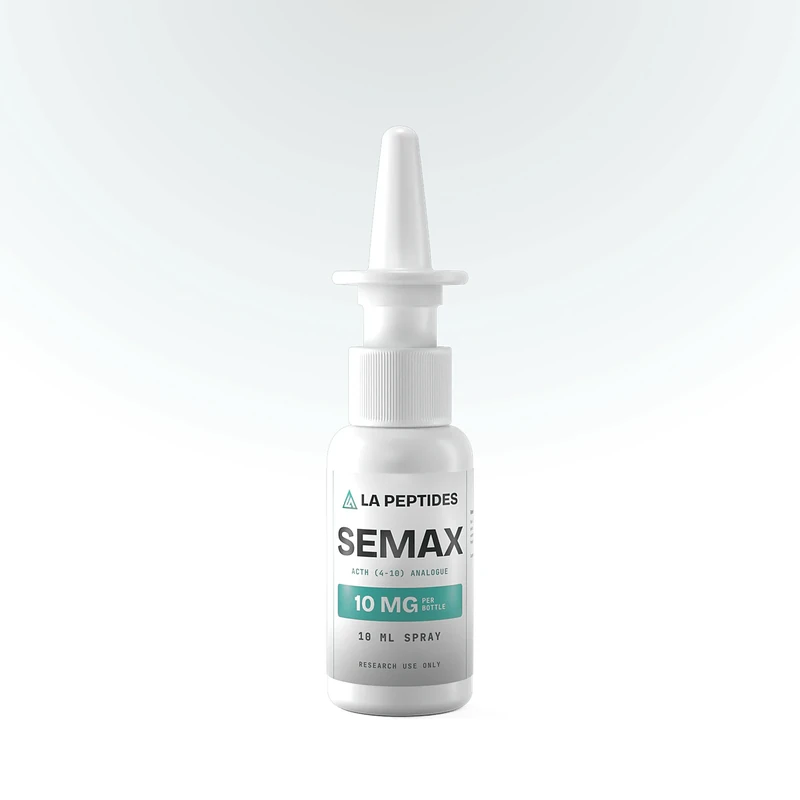
Compound overviewAdamax and Semax: what is known about this analog2 min read Read the guide
Compound overviewCJC-1295 with and without DAC: what the names mean3 min read Read the guide
Compound overviewEpitalon (AEDG): what the research covers1 min read Read the guide
Compound overviewGHK-Cu blends explained: GLOW and KLOW compositions3 min read Read the guide
Compound overviewGHK-Cu: structure, history and published research2 min read Read the guide
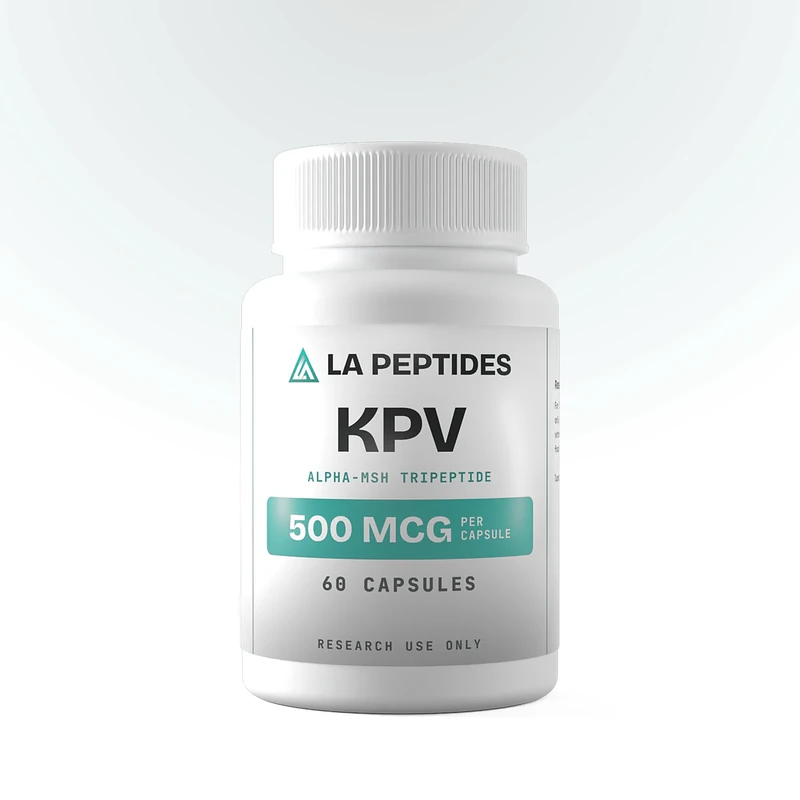
Compound overviewKPV: the α-MSH tripeptide explained1 min read Read the guide
Compound overviewMOTS-c: the mitochondrial-derived peptide explained1 min read Read the guide
Compound overviewSelank: the tuftsin-derived heptapeptide explained2 min read Read the guide
Compound overviewShort peptide bioregulators: an overview for researchers3 min read Read the guide
Compound overviewThymosin alpha-1: structure, history and research1 min read Read the guide