Tópicos
LA405
Hecho en EE. UU.
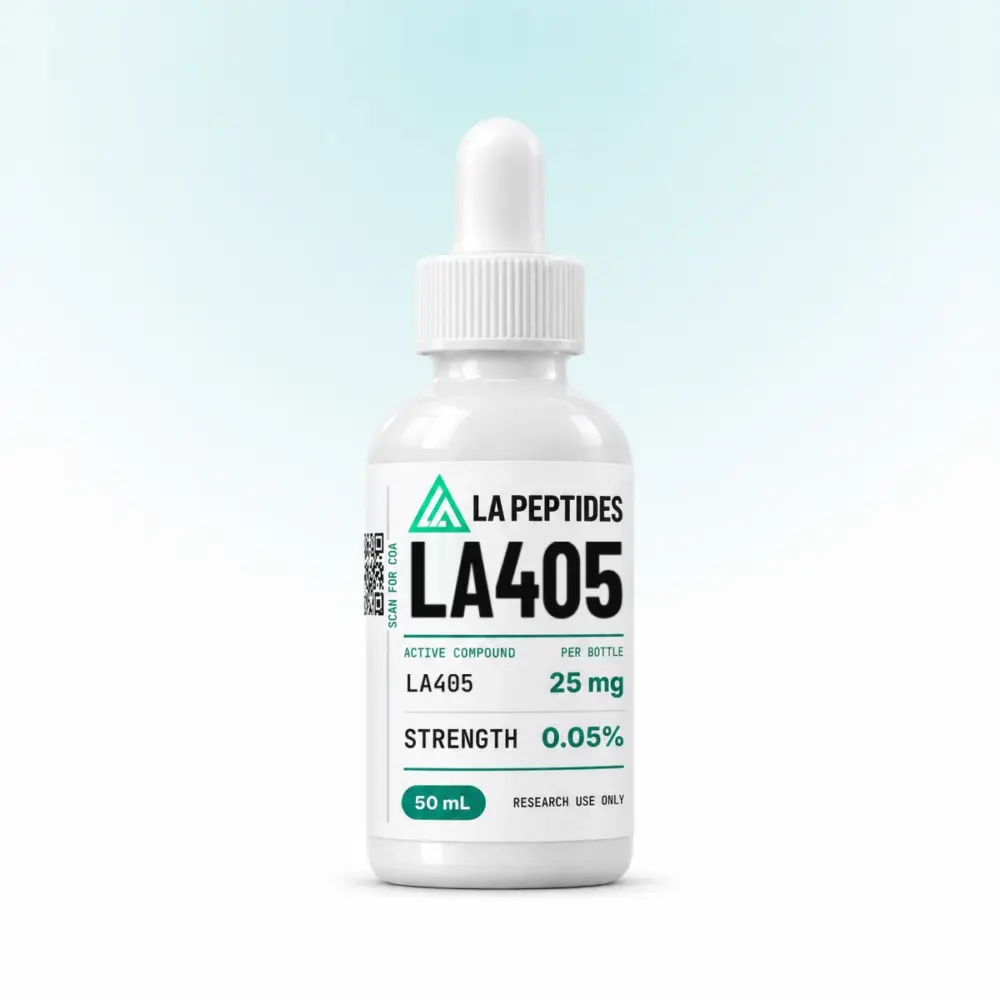
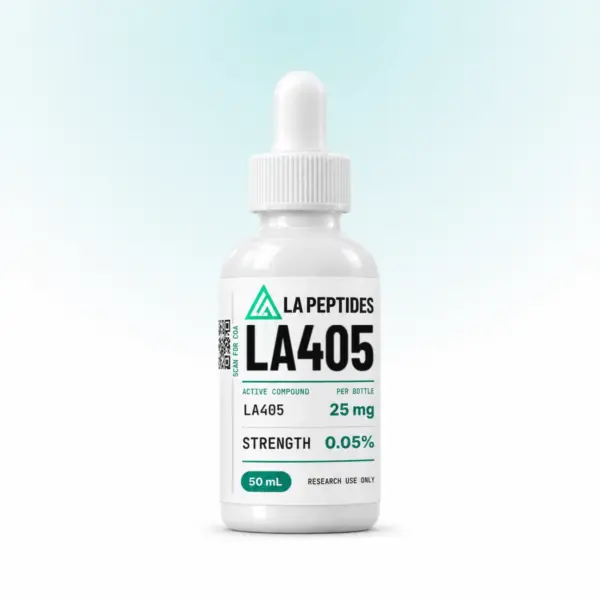
LA405 is a research solution at 0.05% strength, containing 25 mg LA405 per bottle.
LA405 is a research solution at 0.05% strength, containing 25 mg LA405 per bottle. Supplied in a 50 mL dropper bottle. For laboratory research use only. Not for human or veterinary use.
What is LA405?
LA405 is an investigational small molecule that inhibits the mitochondrial pyruvate carrier (MPC). Published laboratory research has shown that limiting pyruvate entry into mitochondria shifts cells toward lactate production, and that this metabolic switch is linked to activation of quiescent hair-follicle stem cells in animal models. LA405 was developed from that line of academic research and is being studied as a topically applied compound. It remains investigational and is not approved by the FDA for any use.
This research solution supplies LA405 at a defined concentration in a ready-to-use liquid, so researchers can work with a consistent, documented amount per bottle.
What is in the bottle
- Compound: LA405
- Amount: 25 mg LA405 per bottle
- Strength: 0.05% (0.5 mg/mL)
- Volume: 50 mL
- Format: Liquid in a white dropper bottle
- Documentation: Lot-specific certificate of analysis available in the COA Portal
Storage and handling
Keep the bottle tightly closed, away from heat and direct light. Follow the storage guidance on the label and in the certificate of analysis for this lot. Handle with standard laboratory precautions (gloves, eye protection) and keep out of reach of children.
Solo para uso en investigación
This product is sold strictly for laboratory and in-vitro research by qualified professionals. It is not a drug, cosmetic, food or supplement, has not been evaluated or approved by the FDA, and is not intended to diagnose, treat, cure or prevent any condition. Not for human or veterinary use. Nothing on this page is a claim of safety or effectiveness in humans.
En existencia
Pide antes de las 2 p. m. (hora del Pacífico) para envío el mismo díaDe lunes a viernes, salvo feriados. Te enviamos el rastreo por correo cuando sale.
- Envío gratis + agua BACUn vial de 10 mL de agua BAC gratis en pedidos de $200 o más
Solo para investigación. No apto para uso humano o veterinario, ni destinado a diagnosticar, tratar, curar o prevenir ninguna enfermedad.
Productos relacionados
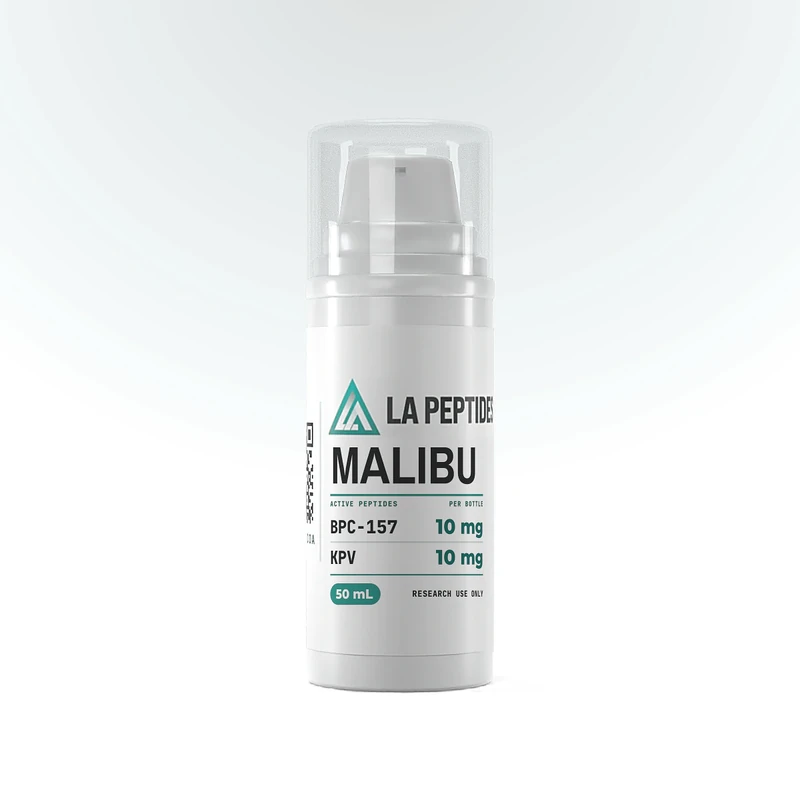
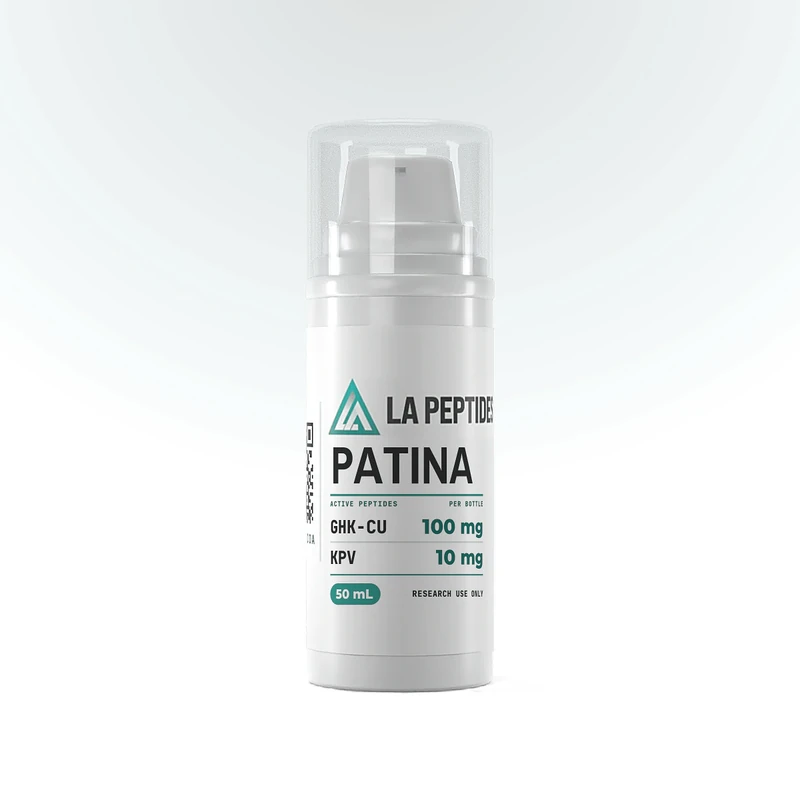
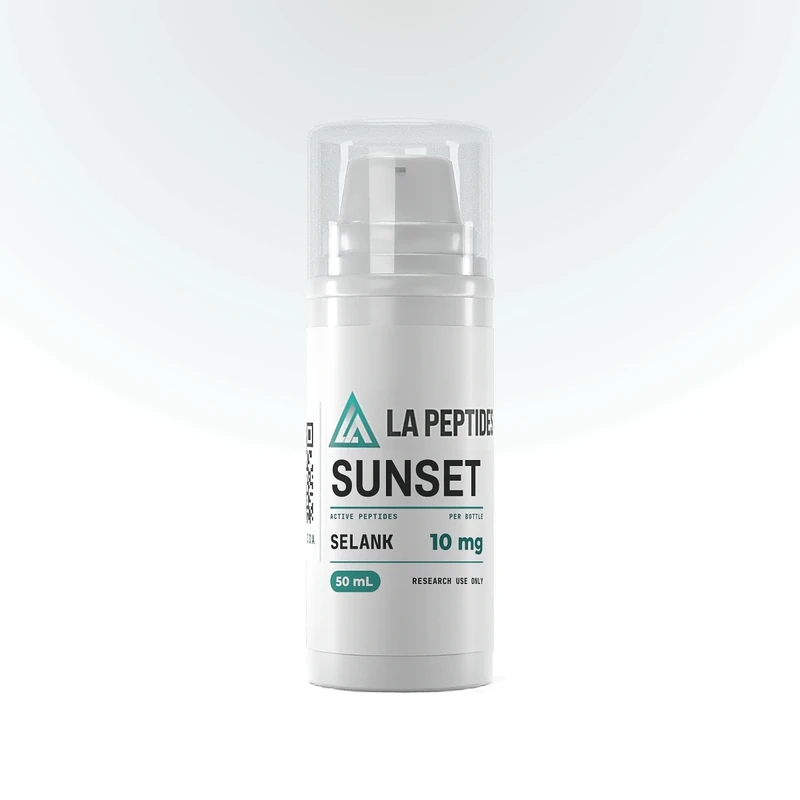
 LA40550 mL · $149.99
BPC-157 vs TB-500: comparación de dos péptidos de investigación · Cómo leer un espectro de masas en el COA de un péptido: m/z, estados de carga y aductos · Mezclas con GHK-Cu explicadas: composición de GLOW y KLOW · CJC-1295 con y sin DAC: qué significan los nombres · Biorreguladores peptídicos cortos: panorama para investigadores · Por qué puede variar el peso molecular de un péptido: sales, extremos modificados y oxidación · Timosina alfa-1: estructura, historia e investigación · Epitalon (AEDG): qué abarca la investigación · KPV: el tripéptido de la α-MSH, explicado · MOTS-c: el péptido derivado de la mitocondria, explicado · Adamax y Semax: qué se sabe sobre este análogo · Selank: el heptapéptido derivado de la tuftsina, explicado · SNAP-8 vs Argireline: comparación de dos péptidos miméticos de SNAP-25 · AHK-Cu vs GHK-Cu: comparación de dos tripéptidos de cobre · GHK-Cu: estructura, historia e investigación publicada · Pureza por HPLC: qué significa el porcentaje en un COA · Espectrometría de masas: cómo se confirma la identidad de un péptido · Cómo comparar su vial con un COA publicado · Péptidos liofilizados: qué son y cómo se almacenan en el laboratorio · Cómo elegir un proveedor de compuestos de investigación: 7 puntos