Every batch, on the record.
Look up the certificate of analysis for any compound we sell. Match the lot number on your vial to its report.
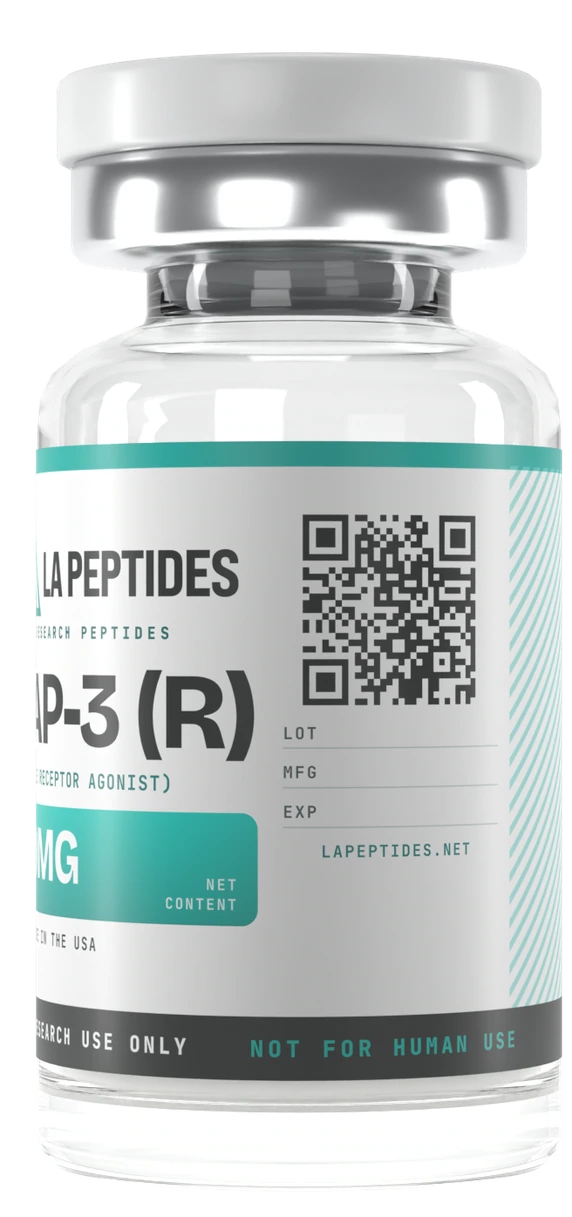
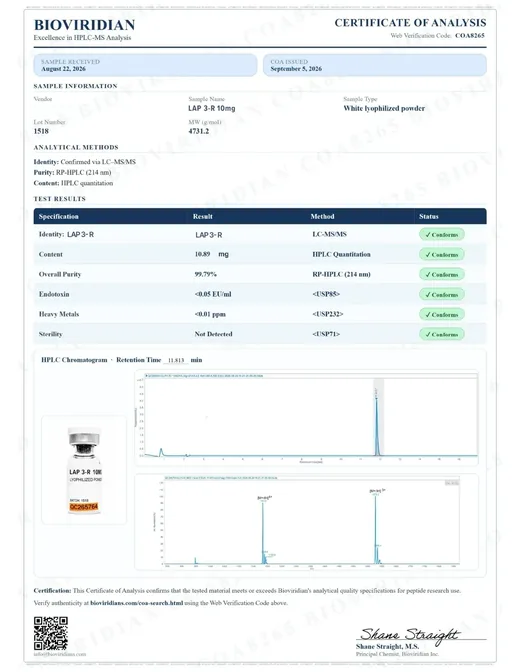
Scan the vial. See its COA.
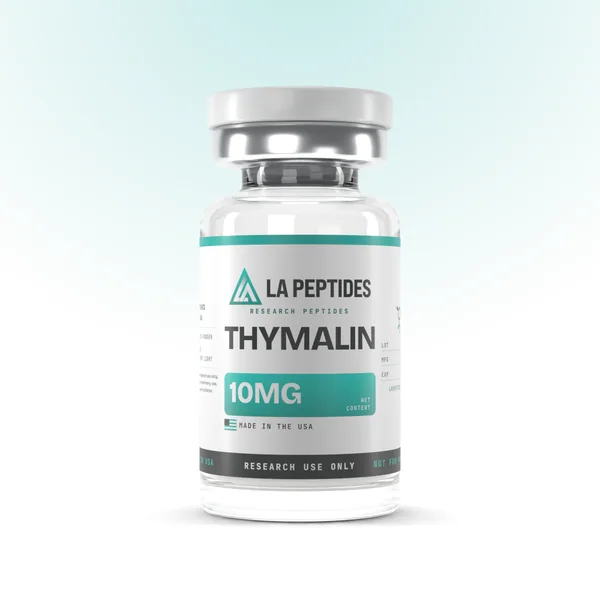
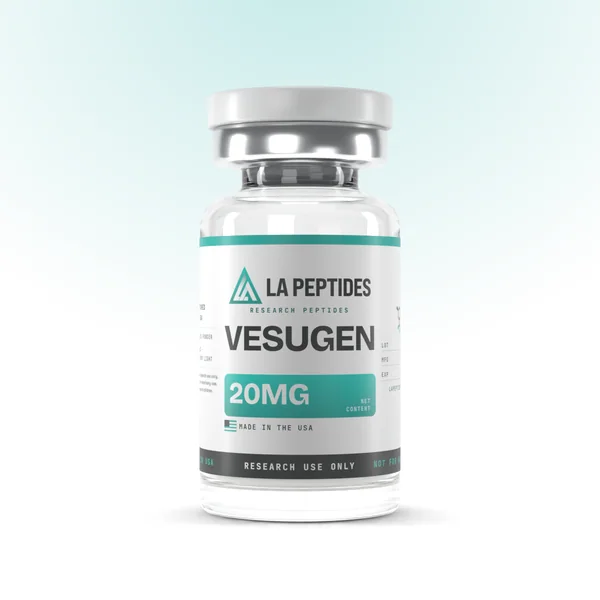
Every vial label carries a QR code. Point your phone camera at it to open the certificate of analysis for that batch.
- Find the QR code on the vial label
- Scan it with your phone camera
- See the lab report for your batch

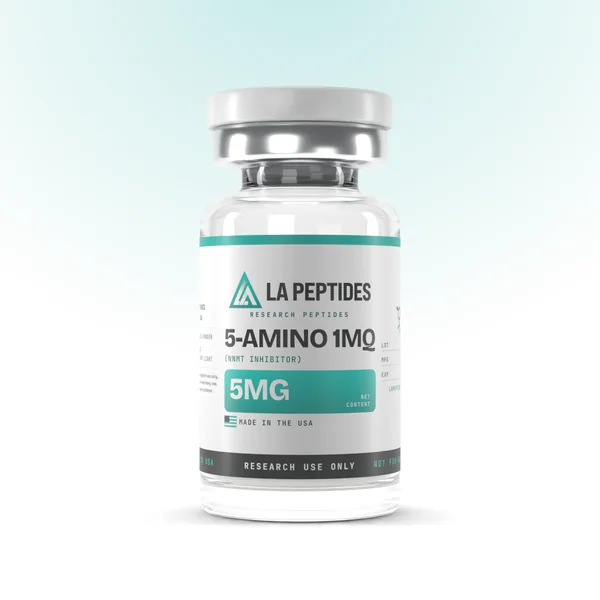


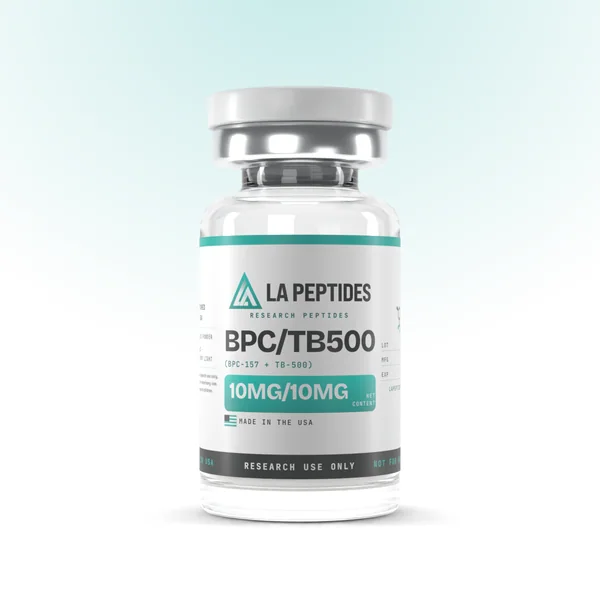


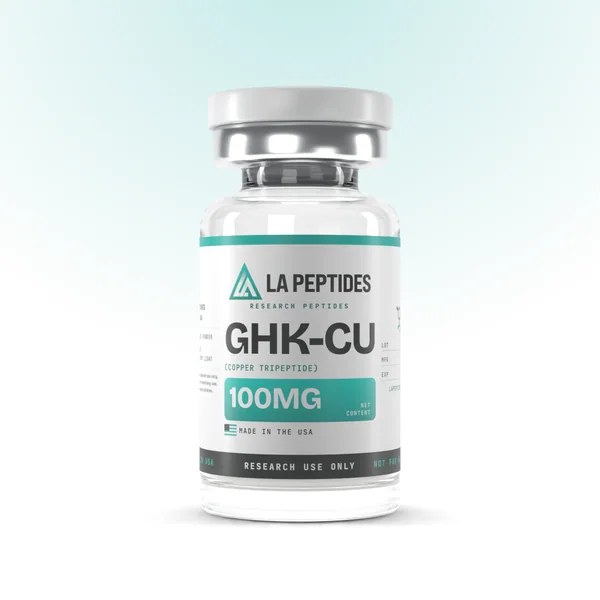

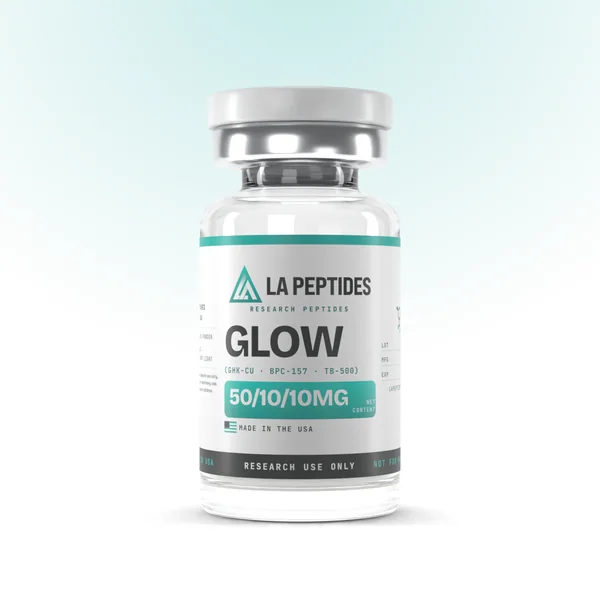
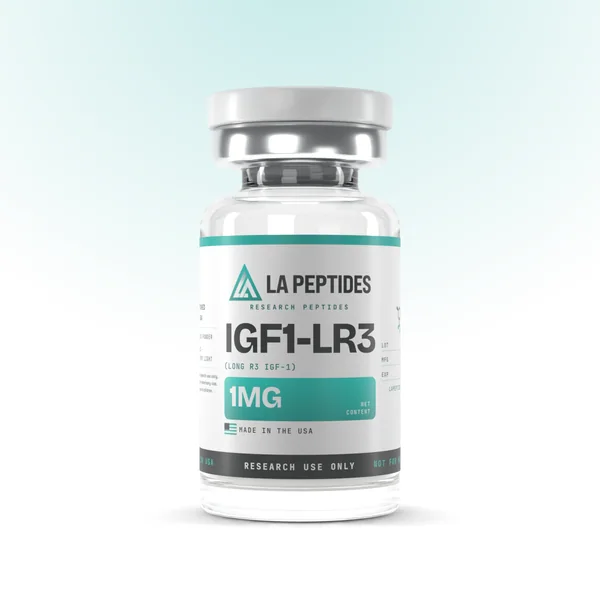
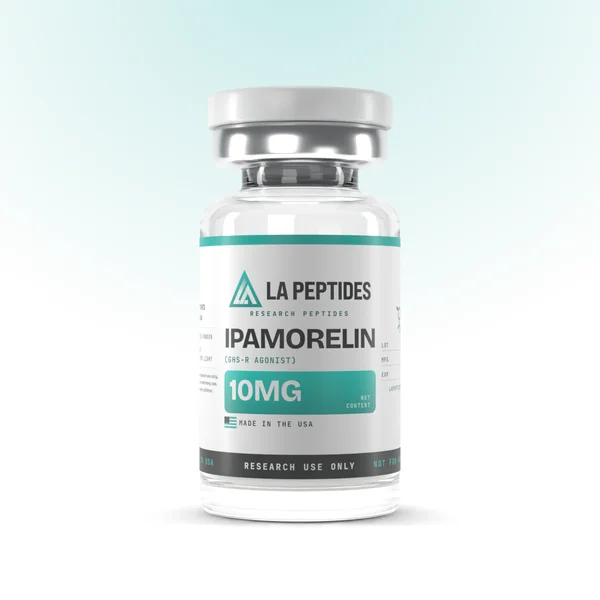


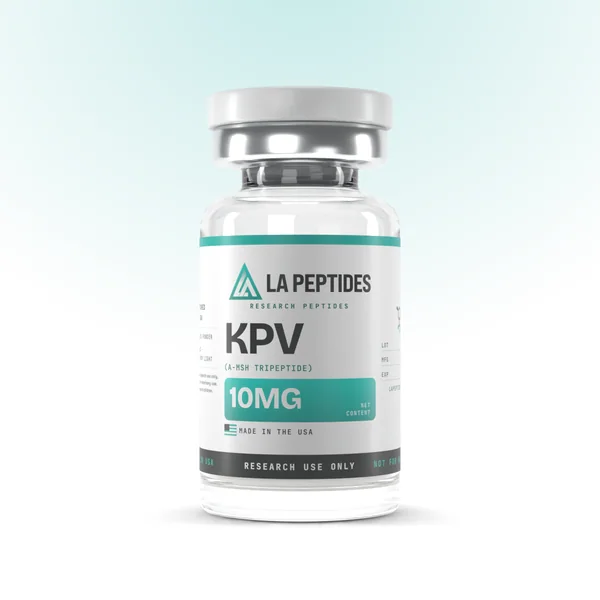


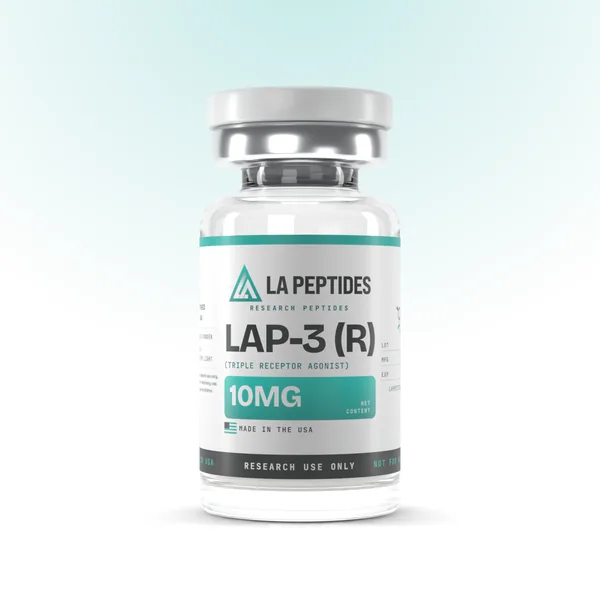

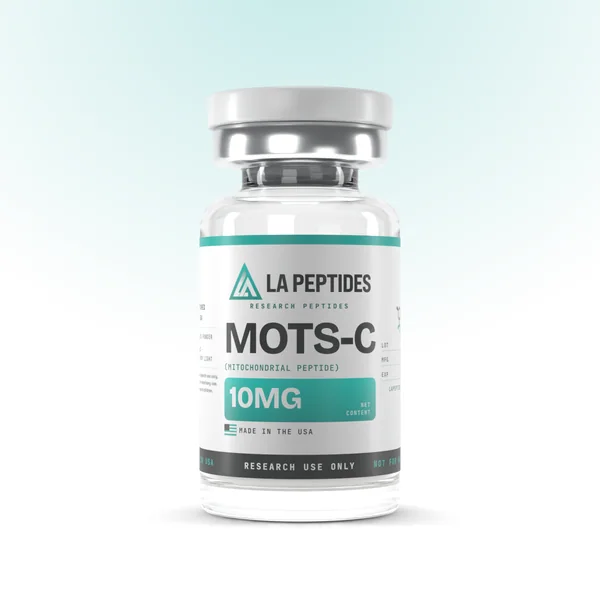



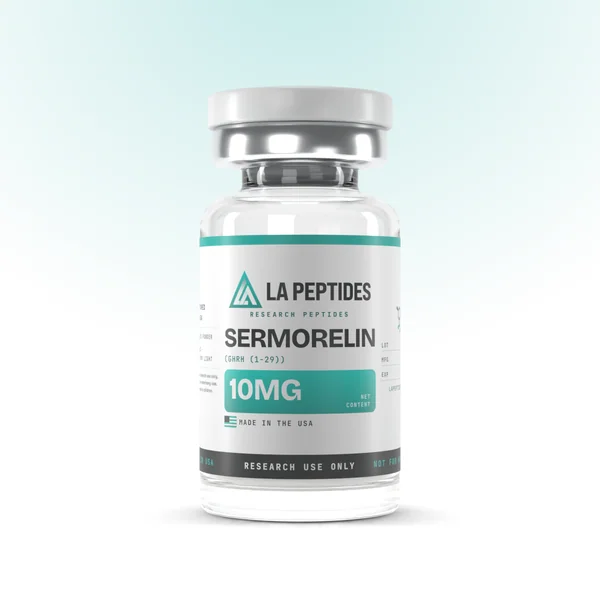
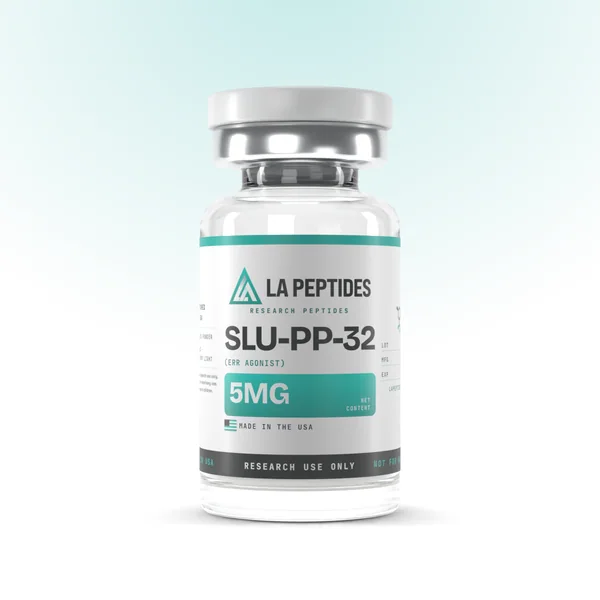

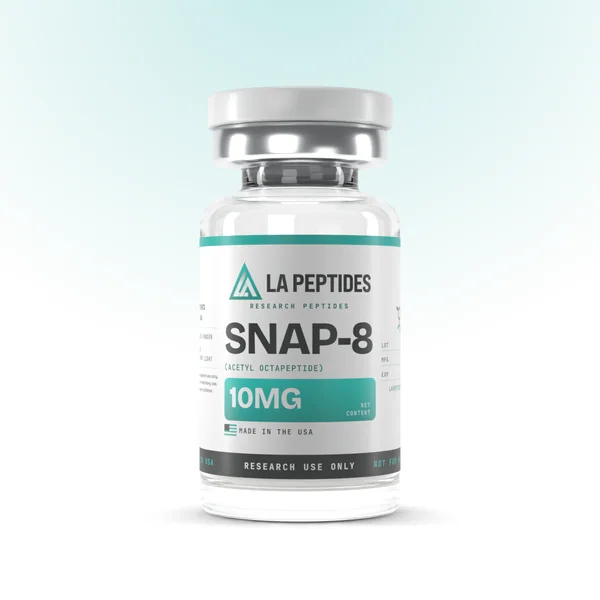


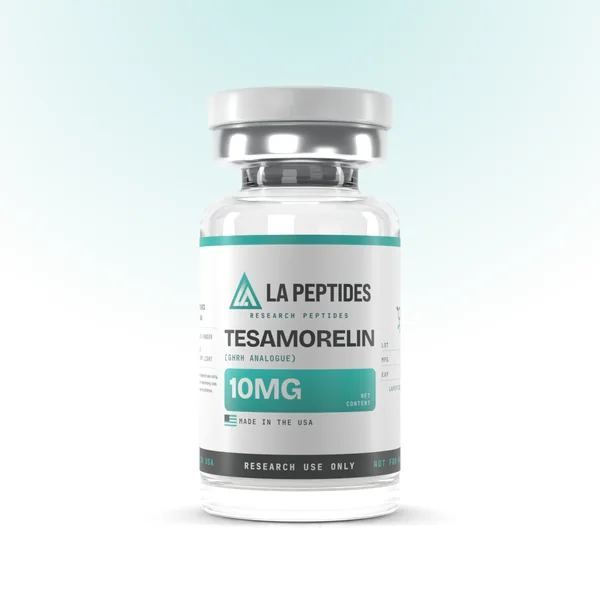




Read a COA in 60 seconds.
A certificate of analysis is the lab’s report card for one batch. Tap a step to see where it sits on the page. Many of our reports also include endotoxin, heavy-metal and sterility testing, though not every report covers all three.
PAGE 1 OF 1
| Test | Method | Result | Spec |
|---|---|---|---|
| 4Identity | LC-MS | Conforms | Pass |
| Purity | HPLC-UV | ≥ 99% (ex.) | Pass |
| 6Quantity | HPLC | 10.x mg (ex.) | Pass |
| 7Endotoxin | LAL <USP85> | < 0.05 EU/mL (ex.) | Pass |
| 8Heavy metals | ICP-MS <USP232> | < 0.01 ppm (ex.) | Pass |
| 9Sterility | <USP71> | No growth (ex.) | Pass |
VERIFY
Illustrative example for learning purposes only. It is not a real test result. Actual COAs for each lot are in the COA Portal.
What a trustworthy COA looks like.
Lot numbers that match
The lot on the report should match the lot on your vial. A generic report with no lot number tells you little.
A real, reachable lab
The lab should be named, independent and contactable. Use the report ID or QR code to confirm the report with them.
Identity and quantity, not only purity
Purity alone doesn’t prove what’s in the vial. Look for mass-spec identity and a measured amount per vial too.
BPC-157 vs TB-500: two research peptides compared · Reading a mass spectrum on a peptide COA: m/z, charge states and adducts · GHK-Cu blends explained: GLOW and KLOW compositions · CJC-1295 with and without DAC: what the names mean · Short peptide bioregulators: an overview for researchers · Why a peptide's molecular weight can differ: salts, caps and oxidation · Thymosin alpha-1: structure, history and research · Epitalon (AEDG): what the research covers · KPV: the α-MSH tripeptide explained · MOTS-c: the mitochondrial-derived peptide explained · Adamax and Semax: what is known about this analog · Selank: the tuftsin-derived heptapeptide explained · SNAP-8 vs Argireline: two SNAP-25 mimic peptides compared · AHK-Cu vs GHK-Cu: comparing two copper tripeptides · GHK-Cu: structure, history and published research · HPLC purity: what the percentage on a COA means · Mass spectrometry: how a peptide's identity is confirmed · How to verify a lot with the QR code on the vial · Lyophilized peptides: what they are and how labs store them · How to choose a research compound supplier: 7 points