Topanga Kit
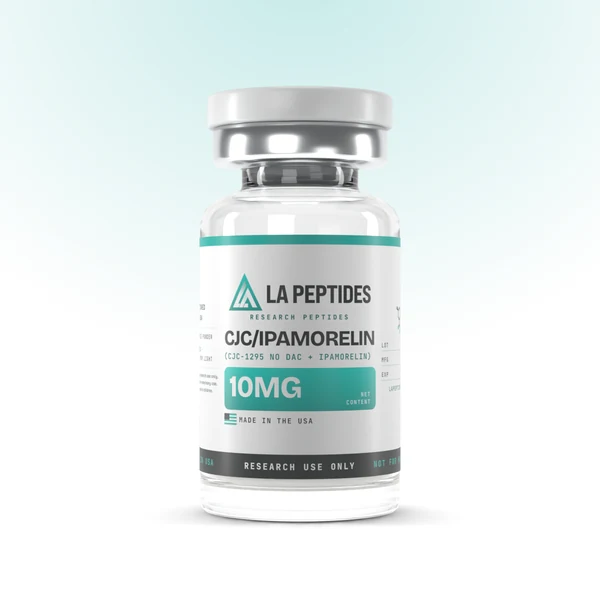
- CJC No DAC / Ipamorelin$74.99
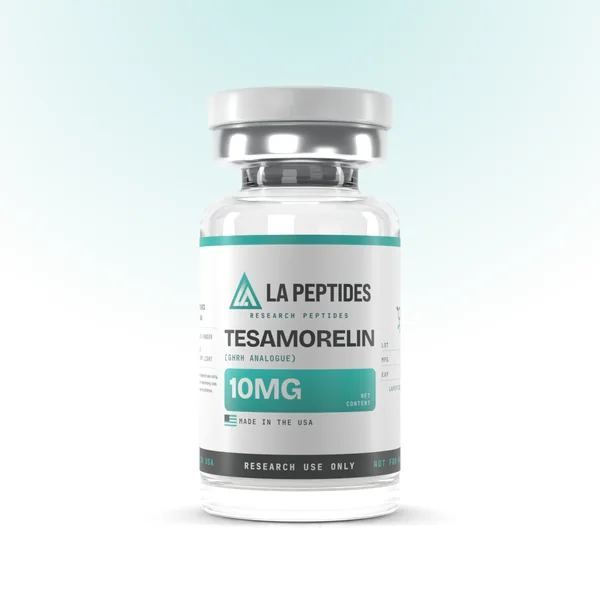
- Tesamorelin$74.99
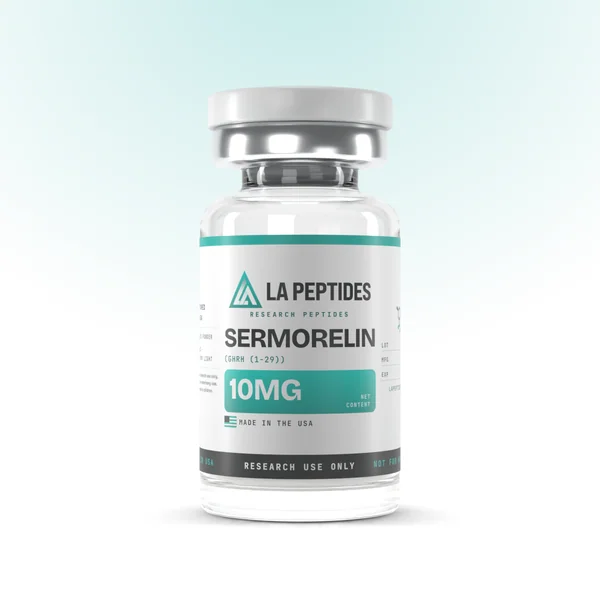
- Sermorelin$69.99
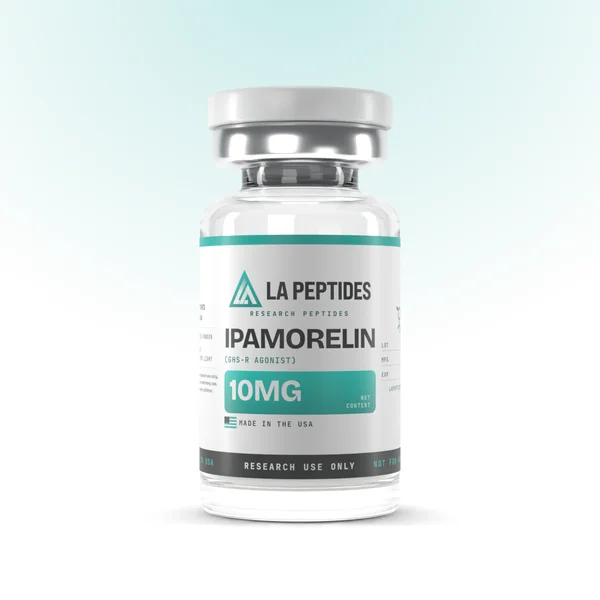
- Ipamorelin$49.99
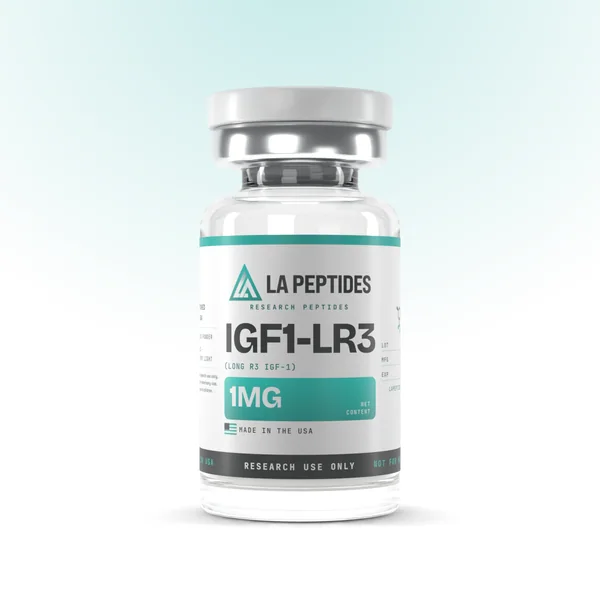
- IGF1-LR3$59.99
- BAC Water ×2$30
A two-peptide research blend of CJC-1295 (No DAC) and Ipamorelin. Supplied as a lyophilized powder in sealed vials. Each batch has its own certificate of analysis (COA), which opens when you scan the QR code on the label. For laboratory research use only. Not for human or veterinary use.
This is a multi-component research material containing two peptides in one vial: CJC-1295 without DAC (modified GRF 1-29, a tetrasubstituted GHRH(1-29) analog) and ipamorelin (a selective GHS-R1a agonist). Each component's identity is shown on the certificate of analysis. The literature describes each peptide separately; there are no published studies on the blend itself.
Without DAC is modified GRF (1-29), 29 residues ending in an amide. CJC-1295 with DAC adds a lysine carrying a maleimidopropionyl group that binds albumin. See our guide comparing the two.
No. Published studies examine each component on its own; we are not aware of literature on this combination. The research notes above summarize each component separately.
Scan the QR code on the vial. It opens the certificate of analysis for that lot, with HPLC purity and the mass spectrometry identity result.
For laboratory research use only. Not for human or veterinary use. Not intended to diagnose, treat, cure or prevent any disease. Literature references are provided for scientific context and do not describe this product's suitability for any use.
CJC No DAC / Ipamorelin is part of this research bundle. See all bundles


BPC-157 vs TB-500: two research peptides compared · Reading a mass spectrum on a peptide COA: m/z, charge states and adducts · GHK-Cu blends explained: GLOW and KLOW compositions · CJC-1295 with and without DAC: what the names mean · Short peptide bioregulators: an overview for researchers · Why a peptide's molecular weight can differ: salts, caps and oxidation · Thymosin alpha-1: structure, history and research · Epitalon (AEDG): what the research covers · KPV: the α-MSH tripeptide explained · MOTS-c: the mitochondrial-derived peptide explained · Adamax and Semax: what is known about this analog · Selank: the tuftsin-derived heptapeptide explained · SNAP-8 vs Argireline: two SNAP-25 mimic peptides compared · AHK-Cu vs GHK-Cu: comparing two copper tripeptides · GHK-Cu: structure, history and published research · HPLC purity: what the percentage on a COA means · Mass spectrometry: how a peptide's identity is confirmed · How to verify a lot with the QR code on the vial · Lyophilized peptides: what they are and how labs store them · How to choose a research compound supplier: 7 points